August 13, 2026
In parts of South Asia, communities face persistent conflict rooted in disputes over land, resources, and ethnic or tribal identity. These challenges often exist alongside significant needs for economic and community development.
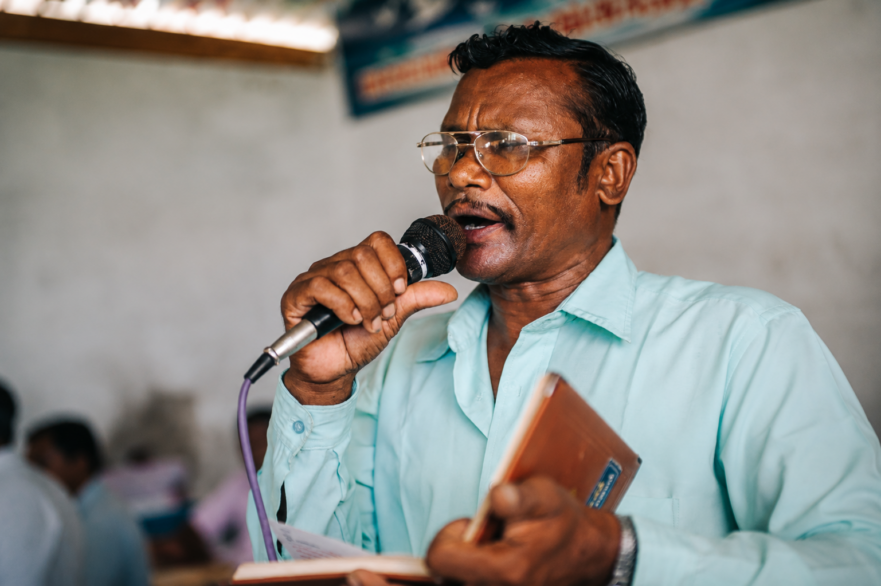
21Wilberforce was recently invited to facilitate a peacemaking workshop for 27 church and community leaders in South Asia. The gathering, convened by local Christian community and church groups, brought together leaders from Baptist associations, tribal communities, and women’s associations.
Equipping Leaders with Practical Tools
The two-day workshop combined multiple proven approaches to peacemaking, including:
- Daniel Buttry’s Peace Warriors tools for active nonviolence
- 21Wilberforce advocacy campaign training for structural change
- Biblical and historical examples of successful peace movements
- Practical planning exercises tailored to local realities
On the first day, participants explored the theological foundations of peacemaking, conflict analysis, and negotiation models. The second day focused on action. Working together, participants developed the framework for a peacemaking campaign—identifying goals, potential allies, key audiences, and appropriate tactics.
Throughout the workshop, leaders drew on their own deep community knowledge to adapt these concepts. Their engagement sparked a powerful new vision: creating localized peace teams to serve as a rapid-response resource when conflict arises.
Building on Local Leadership
The proposed peace teams will bring together church and community leaders to respond quickly as conflicts emerge. Rather than replacing traditional systems of conflict resolution, these teams are designed to strengthen them.
In many of these communities, disputes are traditionally brought before tribal or community leaders. However, those leaders may lack the time or capacity to fully investigate complex conflicts. A dedicated peace team can help by:
- Listening deeply to the perspectives of all involved parties
- Analyzing the underlying issues and root causes of the friction
- Gathering input from relevant community stakeholders
- Developing solutions for traditional leaders to review and implement
Next Steps
By the conclusion of the workshop, participants agreed to explore how to structure these teams and build vital support within their communities. Moving forward, the South Asian leaders will develop a formal framework and seek local buy-in.
They have also invited 21Wilberforce to help train a select group of leaders to establish the teams and execute these strategies. 21Wilberforce is grateful for the opportunity to walk alongside these courageous leaders as they prepare their communities to respond to conflict. This emerging vision is deeply rooted in local leadership, existing community structures, and a shared commitment to building peace before conflict becomes a crisis.
Image credit: IMB.org