June 19, 2026
Communities across Nigeria’s Middle Belt and northern regions continue to face the devastating effects of violence and displacement. Families forced from their homes often find themselves living in internally displaced persons (IDP) camps or host communities, struggling to secure food, hygiene supplies, and other basic necessities while trying to rebuild their lives.
Through support from Freedom House, 21Wilberforce is expanding its humanitarian response in Plateau and Kaduna States, working alongside Nigerian partners to aid displaced families while strengthening local capacity for future humanitarian action.
The project was developed in response to the ongoing needs of communities affected by violence. Many families have fled attacks with little more than what they could carry. Having lost homes, livelihoods, and access to essential resources, they face daily challenges that include hunger, insecurity, trauma, and uncertainty about the future.
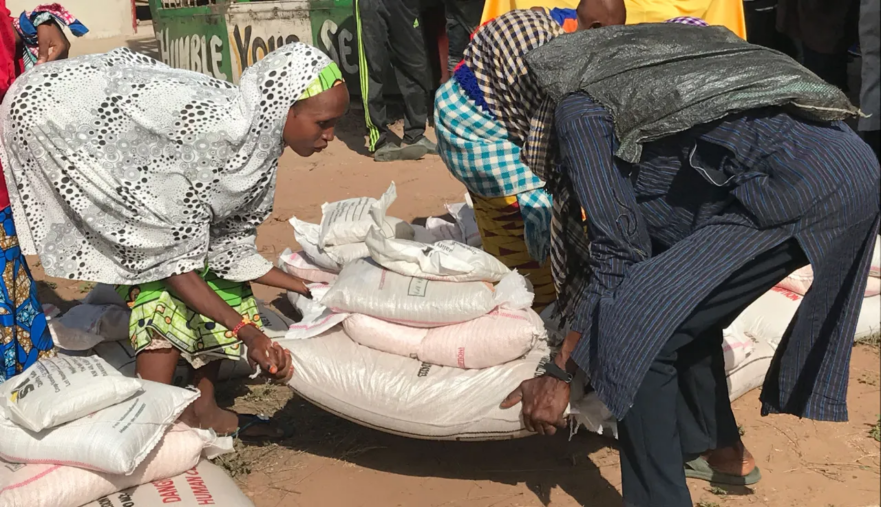
For these families, even basic household items can make a meaningful difference. Through this initiative, 125 displaced households will receive food staples such as maize, rice, beans, cooking oil, and seasoning, along with household and hygiene supplies including blankets, soap, sanitary pads, buckets, and cooking utensils. While simple, these resources help provide stability and dignity during a time of significant hardship.
The project reflects 21Wilberforce’s conviction that vulnerable communities need both immediate assistance and long-term support. Meeting urgent needs is critical, but communities also benefit when local organizations are equipped to respond effectively to future crises.
For that reason, the initiative includes training for five Nigerian partner organizations in internationally recognized humanitarian standards, including the Sphere Standards. These guidelines help organizations deliver aid in ways that are principled, accountable, safe, and centered on the dignity and needs of affected people.
The training is designed to help local organizations ask important questions throughout the humanitarian response process. Are the most vulnerable families being reached? Is the assistance appropriate for the community’s needs? Are aid distributions conducted safely and respectfully? By strengthening planning, implementation, and evaluation practices, the training will help partners improve both current and future responses.
Local leadership is central to the project’s success. 21Wilberforce partner, the Nigerian Evangelical Fellowship, will help identify vulnerable families, verify needs, coordinate distributions, monitor results, and guide the response on the ground. Their knowledge of local communities, relationships with affected families, and understanding of security concerns make them uniquely positioned to lead effective humanitarian efforts.
Working through local partners also helps ensure that assistance is informed by the realities communities face every day. Rather than imposing solutions from a distance, the project seeks to support and strengthen those already serving vulnerable populations in their own communities.
Consistent with 21Wilberforce’s commitment to freedom of religion or belief, assistance will be provided according to need, regardless of religious affiliation. While many of the communities affected by violence include religious minorities and those facing persecution, humanitarian assistance is most effective when it recognizes the inherent dignity and worth of every person.
The project is not without challenges. Ongoing insecurity, difficult access to some communities, rising costs, and the need to ensure aid reaches the most vulnerable families all require careful planning. To address these concerns, 21Wilberforce and its partners will rely on trusted local networks, beneficiary verification processes, security coordination, experienced volunteers, and ongoing feedback from community members.
Ultimately, the project’s impact will be measured in more than the number of aid packages distributed. Success will mean that displaced families receive meaningful support as they recover from violence and displacement. It will also mean that five Nigerian organizations are better equipped to lead future humanitarian responses and serve vulnerable communities with effectiveness and accountability.
The needs across Nigeria remain significant, and no single project can address every challenge. Yet efforts that combine direct assistance with investments in local leadership can create benefits that extend well beyond the life of a grant. By helping families meet urgent needs today while strengthening the organizations that will serve them tomorrow, this initiative seeks to contribute to a more resilient, locally led response for communities affected by violence and displacement.
Photo credit: ICRC.org