

May 1, 2026
Where faith is lived in the shadow of war—and reconciliation is not theory, but survival.
On some days, the classroom windows shake from bombs falling just across the river that separates Thailand from Myanmar. Jet fighters pass overhead, the ground trembles, and yet inside Kawthoolei Hope Theological Seminary—just kilometers from the border—students remain at their desks, studying Scripture and preparing for ministry.
For Wapangrenba Imchen and Ashe Chakhesang, this is not a disruption to their work but the environment in which their calling takes shape. Here, theology is not abstract or distant; it is formed in real time, under pressure, in the presence of conflict, displacement, and human suffering.
Formed by Suffering, Called to Serve
Both Wapang and Ashe were raised in Nagaland, India—a region where Christian faith runs deep but is often lived amid political unrest and generational conflict.
Ashe’s journey began in familiarity but was transformed through encounter. Though she grew up in a Christian home, it was at a youth camp that her faith became personal. That moment redirected her life, leading her into theological study and eventually into ministry. What began as local service gradually expanded beyond what she had imagined, drawing her into cross-cultural mission along one of the most fragile borders in Southeast Asia.
Wapang’s path was shaped through hardship. The loss of his mother to cancer, a broken family environment, and seasons of depression marked his early years. These struggles unfolded within a wider context of armed conflict and militarization in Nagaland, where fear and instability were part of daily life. Rather than diminishing his faith, these experiences refined it. Over time, he came to understand his calling as the meeting point between personal brokenness and the needs of the world—a place where suffering itself becomes part of formation.
When Theology Refuses to Stay Theoretical
Their academic journeys reflect the questions they could not ignore.
Wapang was drawn to Systematic Theology through years of youth ministry, where he encountered complex and urgent questions—skepticism, prosperity theology, new spiritual movements, and political instability. These were not abstract concerns but lived realities that demanded thoughtful engagement. He began asking how faith could hold together under pressure, seeking a framework where Scripture, doctrine, and lived experience could meaningfully connect.
Ashe’s path led toward Applied Theology and Peace Studies, shaped by a different but equally pressing concern: how faith speaks into violence. Having grown up in conflict and now living among communities affected by war and displacement, her questions are deeply practical—how people heal from trauma, how communities resist cycles of retaliation, and how faith can become a force for peace rather than division.
Together, their work reflects a rare integration—one that brings theological depth into direct conversation with lived suffering.
A Shared Calling, A Shared Life
Their relationship grew not out of convenience, but conviction. What brought them together was a shared burden to serve in fragile and conflict-affected contexts, and over time they came to see how their callings complemented one another.
Wapang’s theological reflection and Ashe’s applied practice form a holistic approach—one that engages both deep thinking and lived realities. Their marriage mirrors this integration. They are not simply building a life together, but participating in a shared mission.
That shared mission, however, carries weight. The needs around them are constant, and the emotional demands of ministry can be overwhelming. Sustaining both their work and their relationship requires intentional rhythms—listening carefully, praying together, and making space for rest. Through this, they have come to understand leadership not as authority, but as mutual service marked by humility and dependence on God.
Life Along the Border
At Kawthoolei Hope Theological Seminary, education cannot be separated from context. Situated along the Thailand–Myanmar border, the seminary exists in a region shaped by decades of civil war, displacement, and instability.
Life at the seminary is deeply relational. Formation happens not only in lectures, but in mentoring, shared meals, prayer, and daily community life. Students are not distant learners; they are known, supported, and formed through relationship.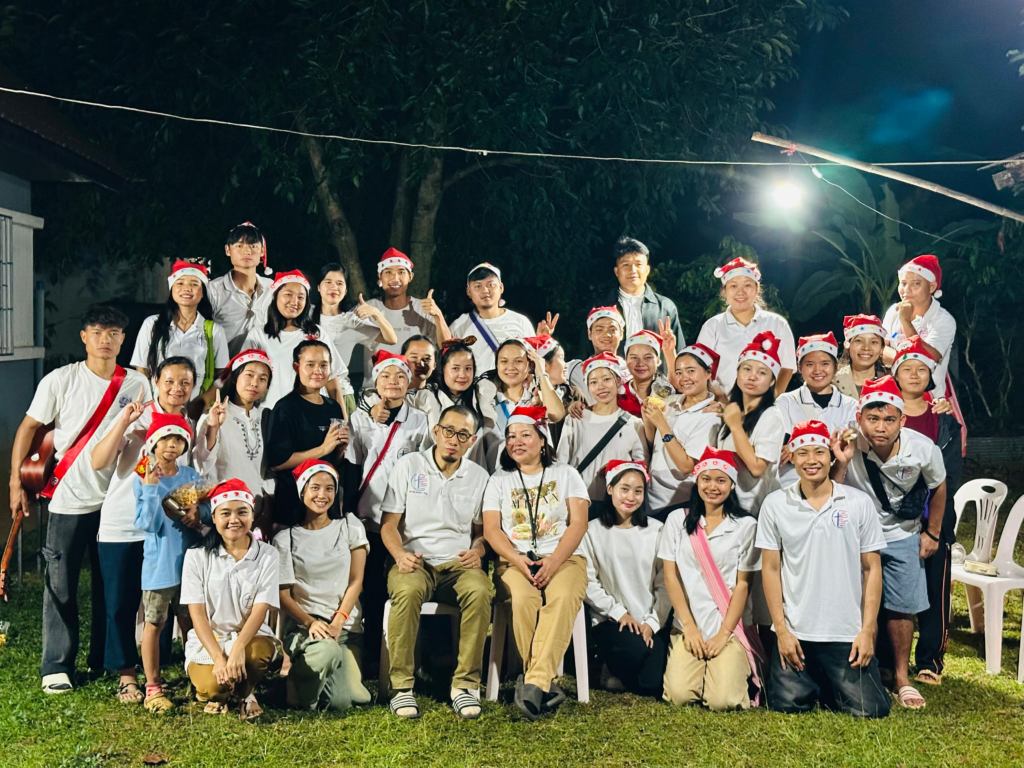
Many come from refugee camps or internally displaced communities. They carry trauma, loss, and uncertainty, often studying while worrying about family members still living in conflict zones. Financial hardship and legal instability are constant realities. Yet within these challenges, something unexpected takes shape—resilience, compassion, and a deep sense of purpose.
This is not education removed from reality. It is formation in the midst of it.
Stories of Transformation
The clearest evidence of this work is found in the lives of students.
One young man arrived carrying deep grief and anger after losing his brother in the ongoing conflict. Each time bombs echoed across the border, he became unsettled, consumed by a desire to return and fight. At one point, he admitted, “I wanted to go back and take revenge. I didn’t know how to live with the anger.”
Rather than offering quick answers, Wapang and Ashe chose presence. They invited him into their home, listened to his story, and prayed with him consistently. Change did not come quickly, but over time, something began to shift. His prayers deepened, his engagement with Scripture grew more sincere, and his questions moved from despair toward understanding.
By the time he graduated, his life had been transformed. Today, he mentors young people affected by war, leading fellowship and offering care shaped by his own journey of healing. His story is a powerful reminder that transformation is rarely immediate—but it is real.
Another student arrived after fleeing Myanmar when his father, a village leader, was killed by the military. Separated from his family and carrying deep anger, he struggled with unforgiveness. Yet through his time at the seminary, his life took a remarkable turn. By graduation, he wrote his thesis on forgiveness—a reflection not of theory, but of lived transformation. He is now preparing to return as a faculty member, continuing the work of shaping others.
Faith in the Midst of War
Faith in this context is not quiet certainty—it is daily endurance. It is the decision to pray when fear is real, to resist hatred when injustice feels overwhelming, and to hold onto hope when change is slow.
It is also deeply honest. Students wrestle openly with questions of suffering, loss, and God’s presence. Rather than silencing those questions, Wapang and Ashe create space for them—inviting students to bring their doubts into conversation with Scripture, community, and lived experience.
Here, faith becomes both anchor and action. It shapes how people respond—not with retaliation, but with restraint, not with despair, but with persistent hope.
Rwanda: Where the Cost of Forgiveness Became Real
A defining influence on Wapang’s understanding of reconciliation came through his time in Rwanda, where he encountered both profound brokenness and the possibility of restoration.
Visiting genocide memorials exposed the reality of human evil, but what unsettled him most was the contrast—encountering warmth and joy in a society marked by such violence. That tension raised difficult questions about human nature and redemption.
What remained with him most were the moments when survivors and perpetrators lived side by side.
One encounter, in particular, stayed with him. A woman who had lost her family and endured severe violence spoke of her decision to forgive—not because her pain had disappeared, but because of her faith in Christ and her desire to be free from hatred. For Wapang, it revealed that forgiveness is not denial, but a costly act of faith.
He was also confronted with the sobering reality that faith can be misused, as even religious spaces were not untouched by the violence.
Yet what endured most was the witness of reconciliation—communities choosing, however imperfectly, to live together again. That experience reshaped his teaching, convincing him that theology must engage suffering honestly, making space for lament while holding onto the possibility of redemption.
It is in that tension, he has come to believe, that transformation begins.
Teaching Reconciliation as a Way of Life
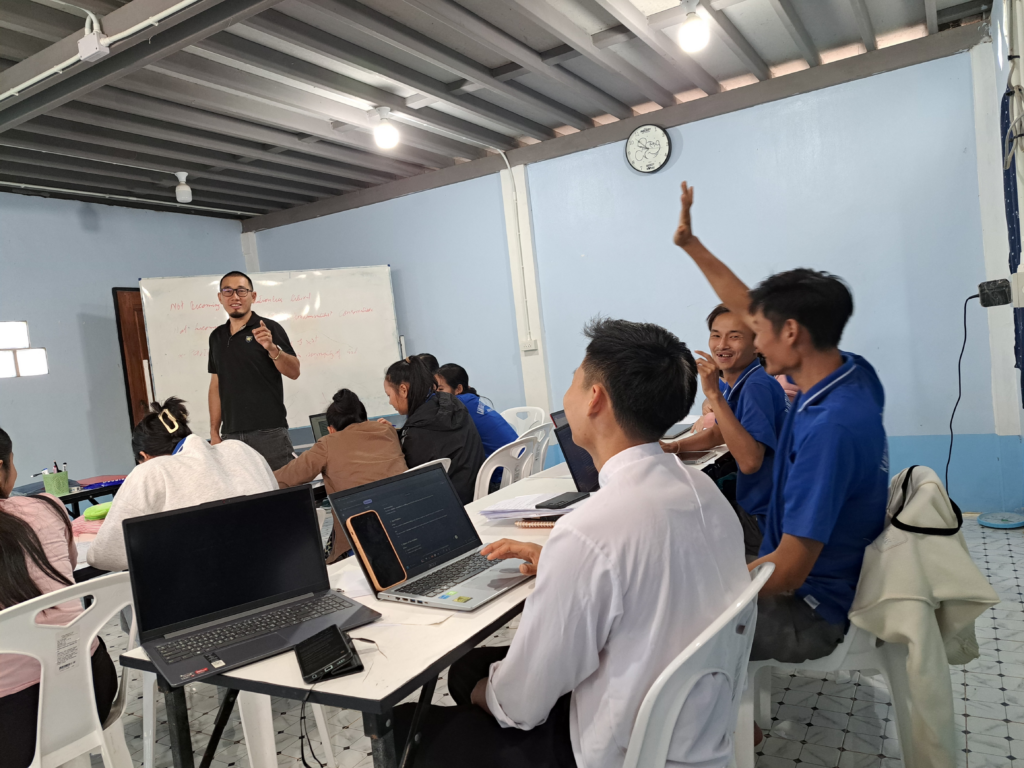 These insights now shape how reconciliation is taught at the seminary. It is not presented as a concept to be understood, but as a practice to be lived.
Students engage in dialogue, storytelling, and intentional listening across differences. They are not asked to ignore their pain, but to bring it into the open and begin the slow work of healing. In this way, reconciliation becomes less about resolution and more about the courage to remain present with one another in truth and grace.
Theology That Heals
In a context marked by trauma, theology becomes essential to healing. It addresses the deeper questions that suffering raises—questions of identity, meaning, and hope.
Wapang and Ashe emphasize that theology must be both truthful and compassionate. It must allow space for grief and struggle, while affirming that every person is created in the image of God and not defined by their suffering. Through this lens, theology becomes more than knowledge—it becomes a pathway for restoring dignity, rebuilding trust, and rediscovering hope.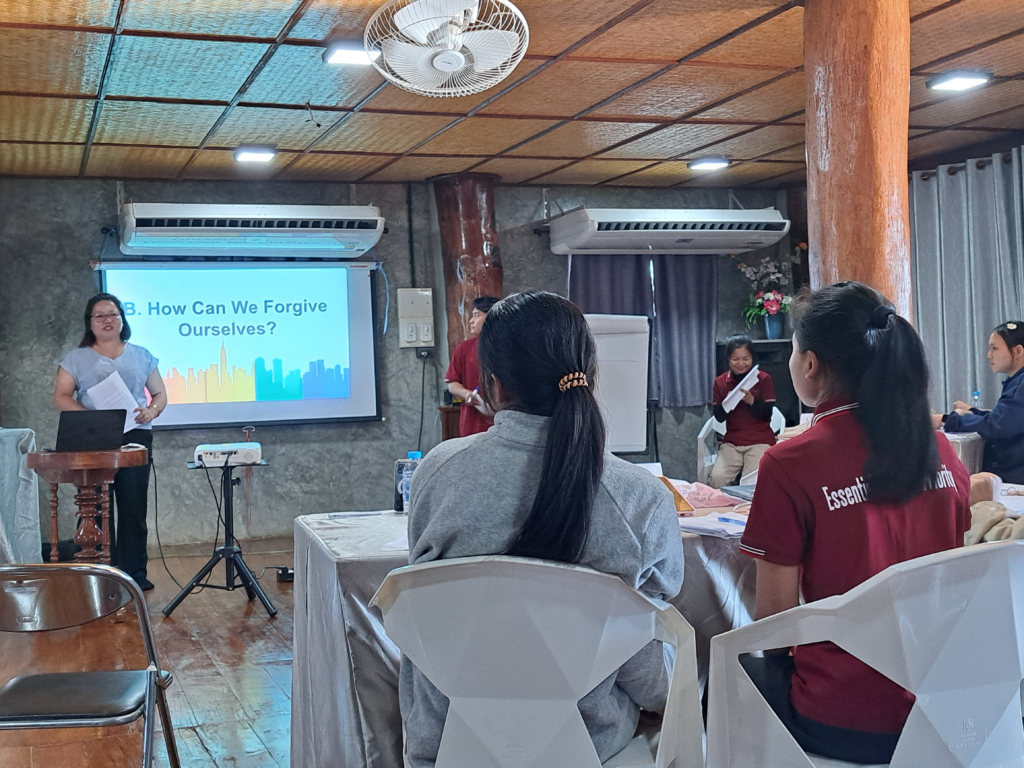
Part of a Larger Story
Their work has also been strengthened through relationships beyond their immediate context. After participating in a peace and reconciliation workshop in Chiang Mai hosted by 21Wilberforce, they began integrating more structured dialogue practices and trauma-aware approaches into their teaching, along with introducing a seminary course on the Biblical foundations of peace. Just as importantly, the experience reinforced that they are part of a wider global community of faith leaders committed to the work of reconciliation—an encouragement that continues to sustain and shape their ministry.
Hope That Endures
What sustains Wapang and Ashe is not the absence of hardship, but the presence of transformation. They see it in students who arrive wounded and leave with purpose, in lives reshaped by faith, and in communities slowly moving toward healing.
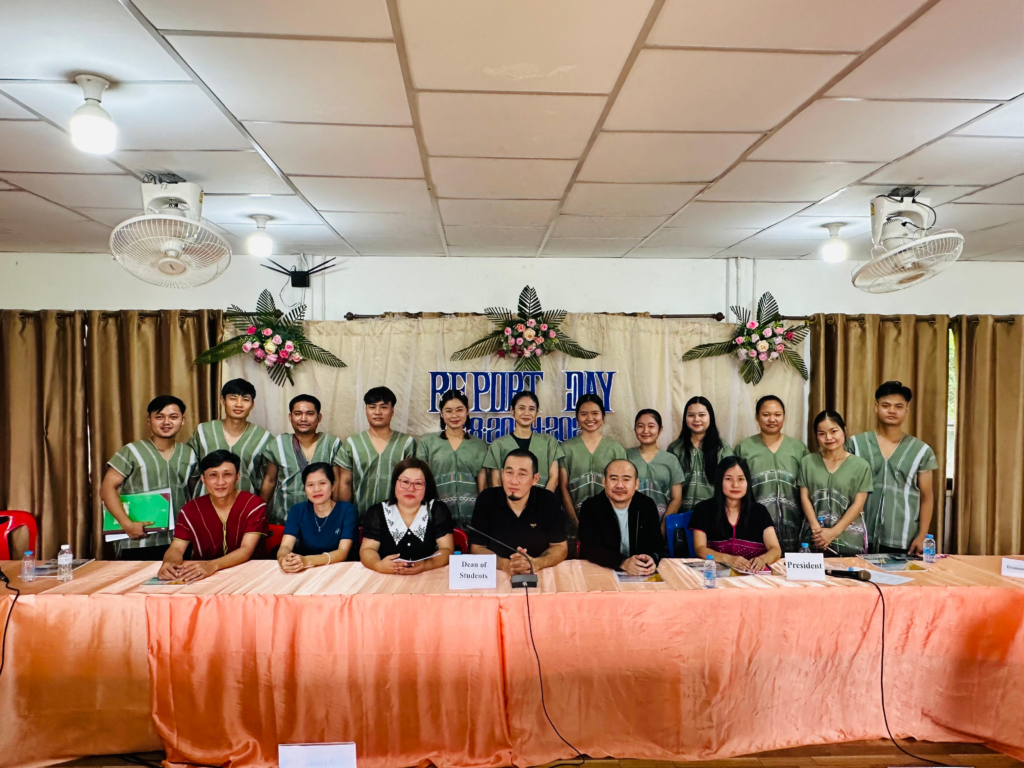 Their vision is to raise leaders who are deeply rooted in Scripture, committed to peace and justice, and equipped to serve in divided and wounded contexts. These are leaders who do not seek power, but who understand leadership as service—entering broken spaces to restore, reconcile, and rebuild.
If there is one message their story carries, it is this: reconciliation is possible. It is not quick, and it is never easy, but through faith, perseverance, and the grace of God, healing can take root.
And sometimes, it begins quietly—in a classroom near a border, where the windows shake, but faith, steady and resilient, refuses to let go.
A Call to Prayer
Wapang and Ashe’s work reminds us that the formation of faithful leaders is not abstract—it is happening in places marked by conflict, uncertainty, and deep need.
We invite you to pray:
- For Wapang and Ashe, that they would be sustained with wisdom, resilience, and deep unity in their shared calling
- For the students of Kawthoolei Hope Theological Seminary, many of whom carry trauma and loss, that they would experience healing, hope, and courage for the work ahead
- For protection over the seminary community as they live and study in the shadow of ongoing conflict
- For the raising up of leaders who will embody reconciliation, serve their communities, and bear witness to Christ’s peace in places of division
- For lasting peace along the Thailand–Myanmar border, and for all those affected by violence and displacement.
May God strengthen those who are serving on the frontlines of faith—and may their witness continue to bring light in the midst of darkness.