November 14, 2025
This article was contributed by a guest author who prefers to remain anonymous.
Damakasuwa, in the Chawai chiefdom of Kaduna State, Nigeria, is the kind of village where life usually unfolds with a gentle rhythm. At sunrise, farmers move toward the fields with hoes balanced on their shoulders. Children walk to school in clusters, chasing each other along the narrow footpaths. In the evenings, market stalls glow with lanterns, and the scent of roasted maize drifts through the air.
The village has endured recurrent attacks, primarily by armed banditry, that have deepened fear among Damakasuwa residents and surrounding communities. This has disrupted daily life and forced some farmers to abandon their land.
Yet, Christians and Muslims still share compounds, chores, and even celebrations. The youth meet regularly at the community hall for prayers, weddings, and—this season—planning the installation of their newly elected youth leader. Elders chat outside their homes until night settles in.
Beneath the routines, however, there had been murmurs. Some elders worried publicly about “the balance of power,” especially after whispers of Muslim dominance circulated in local WhatsApp groups. Yet most villagers brushed the talk aside. Politics came and went. What mattered was living as “one Chawai, one people,” as many often said.
A Leader for Unity
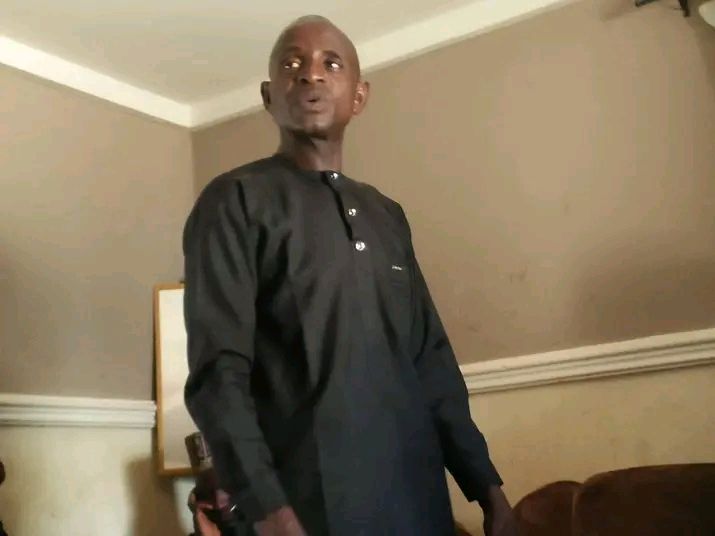 Engr. Bala Rude Chawai embodied that hope. At 57, the civil engineer and father of three was more than a leader—he was a mentor, a bridge-builder, and a devout Christian whose faith spilled naturally into his service.
He welcomed Muslim youths onto committees, ensured boreholes and road repairs reached every hamlet, and gave generously to both church and community. He funded a scholarship for a young Muslim girl and led weekly Bible study with humility and conviction.
To the young people who elected him as their incoming youth leader, Bala represented the best of Damakasawa: fairness, courage, and a future in which no one’s opportunities depended on their religion. His election felt like a victory for moderation, a sign that merit and character still mattered.
The Night Everything Changed
On the evening of 31 October 2025, Bala’s home was full of the warmth that often followed community meetings. He and a few senior youth leaders had just concluded preparations for the installation ceremony scheduled for the next morning. They talked through logistics and guest lists, laughed, unwound, and prepared to call it a night.
Then the gunfire came.
Armed men—later identified as suspected Fulani militants according to the testimony of victims and survivors—stormed the compound around 8:30 p.m. Shots shattered the stillness as the attackers moved from room to room, then through the surrounding huts, firing to create chaos and fear.
Abu Yusuf, a Muslim neighbor, was returning from the mosque when he saw the first flash.
“I ran to warn my cousins,” he said, “but the gunmen were already gone. My brother was among the dead—Habubakar Ya’u. He had just joined the youth council.”
A boy named Saviour Emmanuel, only twelve, was struck while trying to flee. His small body would later become a symbol of the community’s loss of innocence.
Inside the swirl of terror, Elder Joshua gathered a few villagers and whispered Psalm 23.
“We sang it as the bullets rained,” he recalled. “It was both terror and a prayer.”
In the Morning Light
As dawn broke, the scale of the tragedy emerged. Families stumbled from their homes, calling names that would never again be answered. Word spread quickly—first through the village, then across neighboring communities, then online. Visitors arrived to console, to witness, to grieve.
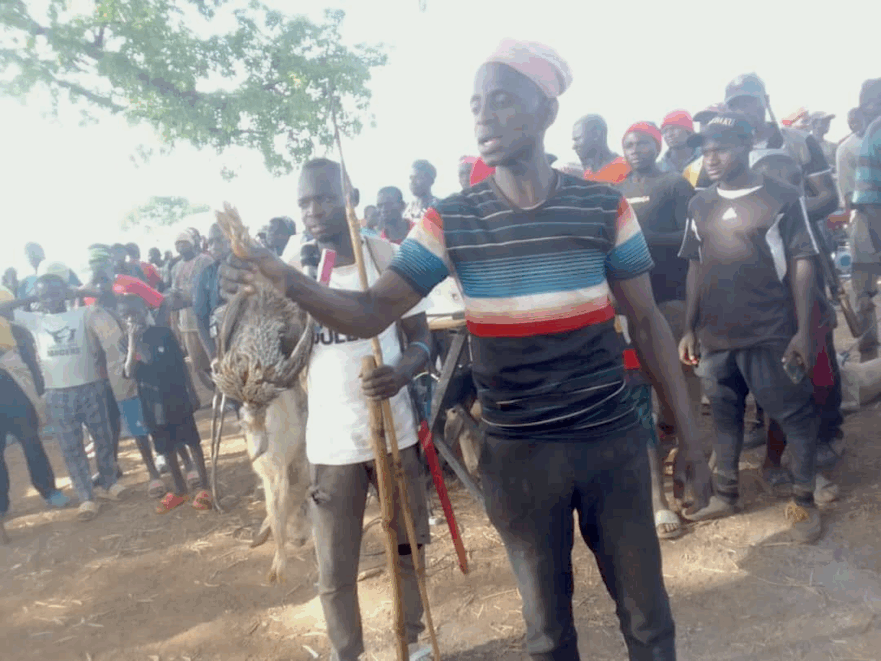
A mass burial was held on November 3rd for the seven lives lost. More than 2,000 people—Christians and Muslims together—stood shoulder to shoulder as rites were performed. The wailing of elderly women, weakened by grief, carried across the fields.
Shock soon gave way to anger. Youths formed vigilante patrols. Muslim families, fearing reprisals, temporarily relocated to relatives in Kauru town. Elders pleaded for calm, insisting the attackers—not innocent neighbors—must bear responsibility.
Local authorities issued the familiar condemnation and promised an investigation. Religious leaders—both Christian and Muslim—denounced the violence, demanding justice and protection. Yet many villagers whispered that the case would fade away like so many before it.
A Village Changed
Life in Damakasawa has not returned to what it was. Families now sleep in shifts. Children are escorted to school. Mixed-faith gatherings have dwindled, and markets close earlier than ever.
Some Muslim youths feel stigmatized. Many Christian youths feel marked for death.
The fractures, once unthinkable in a community woven together by generations of intermarriage, now run deep.
What Remains
For the Christian brother who documented the tragedy, one image refuses to fade: the body of young Saviour Emmanuel, a boy whose future was extinguished before it began.
Another memory lingers: an elder’s trembling voice at the burial ground praying,
“God, let this be the last night of terror.”
Walking past mourning mothers—frail, broken, hollowed out by loss—one cannot escape the question: If a village like Damakasawa can be torn apart in a single night, what hope remains for places still living on the edge of fear?
And yet, in the midst of grief, the story of Bala Rude Chawai remains a testimony. A man who believed unity was possible. A leader who refused to bend on justice or compassion. A Christian whose faith shaped his courage. A reminder that even in the valley of the shadow of death, light can rise from those who choose peace over fear.