

Early in his career, Camp had an experience that helped define his sense of purpose. He traveled to Mexico City following the 1985 earthquake (photo above), where he spent time with disaster relief volunteers serving people affected by the devastation.
For more than 40 years, Ken Camp has built a career around one central calling: telling stories that matter. Now, as a new board member of 21Wilberforce, the retired managing editor of the Baptist Standard brings that same sense of purpose to advancing religious freedom around the world.
Camp’s path into journalism began early, rooted in a love of language and storytelling. As a student, he edited his high school newspaper, wrote columns for his hometown paper and spent a summer working on a local sports desk. Although he initially planned to pursue a career in law, a pivotal moment during college changed his direction.
While attending a lunch at the Baptist Student Union at East Texas State University, Camp heard a speaker describe how professional skills could be used in Christian service. He did not feel called to overseas missions, but he did sense a clear calling to use his writing in service to others. He changed his course of study and began preparing for a career in journalism.
That decision led to decades of work in religious journalism, including nearly 20 years with the Baptist General Convention of Texas before joining the Baptist Standard, where he served as managing editor. What sustained him throughout his career was the variety of the work. In any given week, he might report on disaster relief efforts, interview pastors facing religious persecution or cover debates related to church and state.
“I never lost interest,” Camp said. “Every story was different.”
A Calling to Tell Stories of Faith and Service
Early in his career, Camp had an experience that helped define his sense of purpose. He traveled to Mexico City following the 1985 earthquake, where he spent time with disaster relief volunteers serving people affected by the devastation.
He met individuals from a wide range of backgrounds who came together to provide meals and support for those in need. Their shared commitment to serve left a lasting impression.
“I knew telling their stories—and stories like theirs—was my life’s calling,” he said.
That conviction shaped his approach to journalism. Camp said he quickly recognized the responsibility that comes with telling stories that can influence public awareness and support. Reporting on disaster relief efforts often led to increased contributions, making it possible for that work to continue.
At the same time, he emphasized the importance of maintaining integrity.
“I took seriously the responsibility to tell those stories honestly, without trying to manipulate emotions,” he said.
He also came to value fair and balanced reporting, particularly during times of disagreement within faith communities.
“One-sided reporting is propaganda, not news,” he said.
Reporting on Tragedy, Faith and Religious Freedom
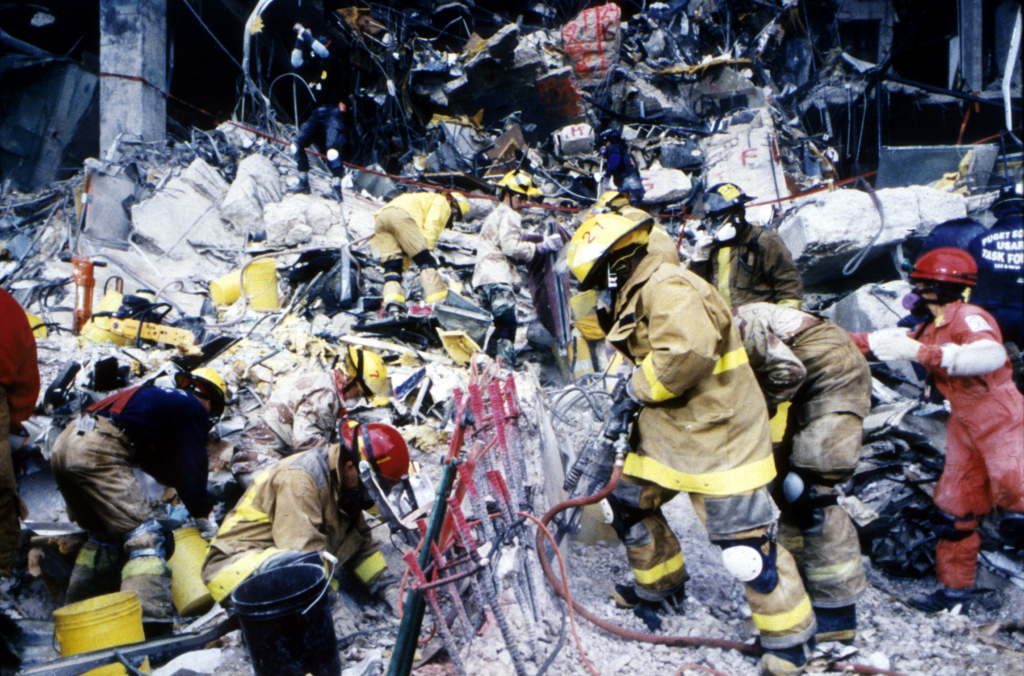
Alfred P. Murrah Federal Building after bombing on April 19, 1995. Photo courtesy of FEMA.
Camp’s reporting often placed him at the intersection of faith and public life, including moments of national tragedy. In 1995, he spent nearly a week in Oklahoma City following the bombing of the Murrah Federal Building.
Having covered natural disasters earlier in his career, Camp said reporting on a manmade act of violence was a different experience. He spoke with survivors, chaplains and community members, and attended services where people gathered to grieve and pray.
He said he was struck both by the depth of the loss and by the resilience of the community.
“It left an impression on me that never has diminished,” he said.
That same combination of suffering and courage shaped his reporting on international religious freedom. Over time, what began as a principle became more personal through his interactions with people around the world.
One example involved members of the Shenzhen Holy Reformed Church, sometimes called the Mayflower Church, who faced deportation from Thailand. Advocacy efforts, including those supported by 21Wilberforce, helped secure their resettlement in the United States.

Members of the Shenzhen Holy Reformed Church—nicknamed the “Mayflower Church” for their commitment to seeking religious freedom—upon arrival at Dallas-Fort Worth International Airport. They resettled in East Texas (Courtesy Photo)
For Camp, the experience underscored the impact individuals and organizations can have in defending religious freedom through advocacy and direct action.
Challenges Facing Religious Freedom Today
Over the course of his career, Camp has observed significant changes in the religious and cultural landscape. He points to the rise of religious nationalism in several countries, including the United States, as a concerning trend for religious freedom.
He also notes increasing polarization along political and religious lines.
“The church benefits when people of differing perspectives learn to work and worship alongside each other,” he said. “That has become more difficult in recent years.”
Camp said misunderstandings about religious freedom are also common. In particular, he believes some Americans confuse the loss of cultural influence with persecution, overlooking the more severe realities faced by people in other parts of the world.
“A threat to anyone’s religious freedom is a threat to everyone’s religious freedom,” he said. “It is a fundamental human right.”
A Continued Commitment to Religious Freedom
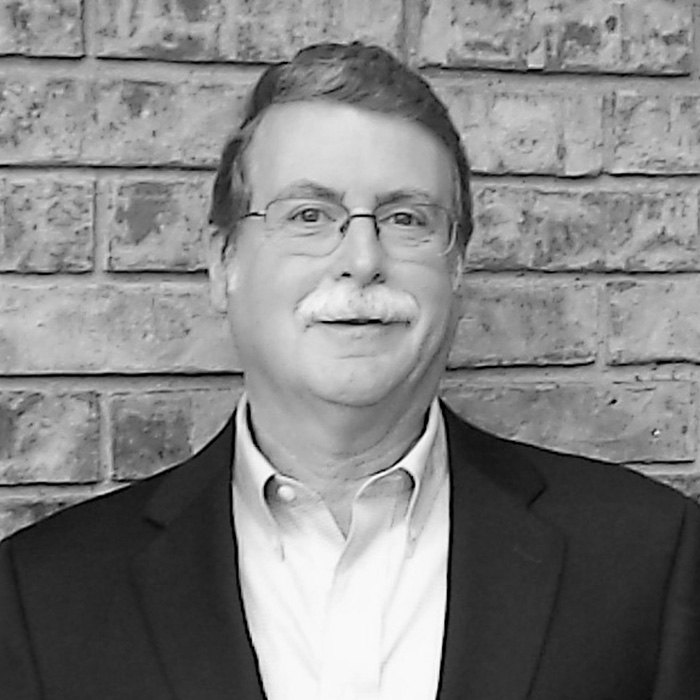
Ken Camp
In retirement, Camp sees his role with 21Wilberforce as a continuation of the work that defined his career. He said he was drawn to the organization’s commitment to defending religious freedom for all people, regardless of their beliefs.
As a board member, Camp hopes to contribute by offering the skills he developed over decades in journalism—listening carefully, evaluating information and clearly communicating stories that matter.
“I want to make available whatever gifts and talents I have to support that work,” he said.
He also offered a broader challenge to readers. For those who value the principle often described as the Golden Rule, he said that belief should extend to protecting the rights of others as well as one’s own.
“We must be as willing to protect the religious freedom of others as we are to protect our own,” he said.
March 19, 2026