January 7, 2026
Twenty-three young leaders from across Southeast Asia recently gathered with a shared calling: to take part in Christ’s work of healing deep divisions within their communities. They arrived carrying the weight of complex histories, social pressures, and unresolved conflict—but also a readiness to learn, to listen, and to lead differently. Together, they stepped into a week designed not simply to teach skills, but to nurture hope and courage for the long journey of peacemaking ahead.
The workshop, organized by 21Wilberforce, was guided by a diverse, seven-person facilitation team whose members brought decades of experience in conflict transformation in contexts shaped by war, political instability, and social fracture. Through a carefully woven combination of teaching, storytelling, and participatory exercises, the facilitators invited young leaders to explore forgiveness and reconciliation, practical peacemaking tools, and concrete action planning. At every stage, the focus remained clear: equipping participants to return home with both deepened faith and realistic strategies to embed peacemaking within their churches and organizations.
This gathering built upon a previous peacemaking workshop 21Wilberforce hosted that engaged senior church leaders and general secretaries. That earlier effort helped participants articulate a shared vision for peace in their contexts and sparked collaboration among organizations and ministries committed to healing division. As a result, new advocacy initiatives emerged, including coordinated engagement with government officials and the development of social concern positions within church conventions. The young leaders workshop was designed as the next vital step—ensuring that this vision for peace is sustained and carried forward by a new generation.
By investing intentionally in young leaders, the workshop sought to form a core group capable of long-term engagement in peacemaking. Participants explored how to initiate peacebuilding efforts, respond faithfully to restrictive laws and religious discrimination, and begin embedding peacemaking practices within deeply divided and conflict-affected settings. A further goal was to identify emerging leaders who could support future initiatives, including co-facilitating upcoming workshops and helping expand opportunities for women leaders across the region.
Personal Healing as the Foundation for Peacemaking
A central component of the workshop focused on personal healing and reconciliation. Participants engaged with the Healing Hearts, Transforming Nations curriculum, developed by a psychiatrist in the aftermath of mass violence and refined through years of pastoral and community collaboration. This framework recognizes that societal transformation cannot take root without first addressing the wounds carried within individuals.
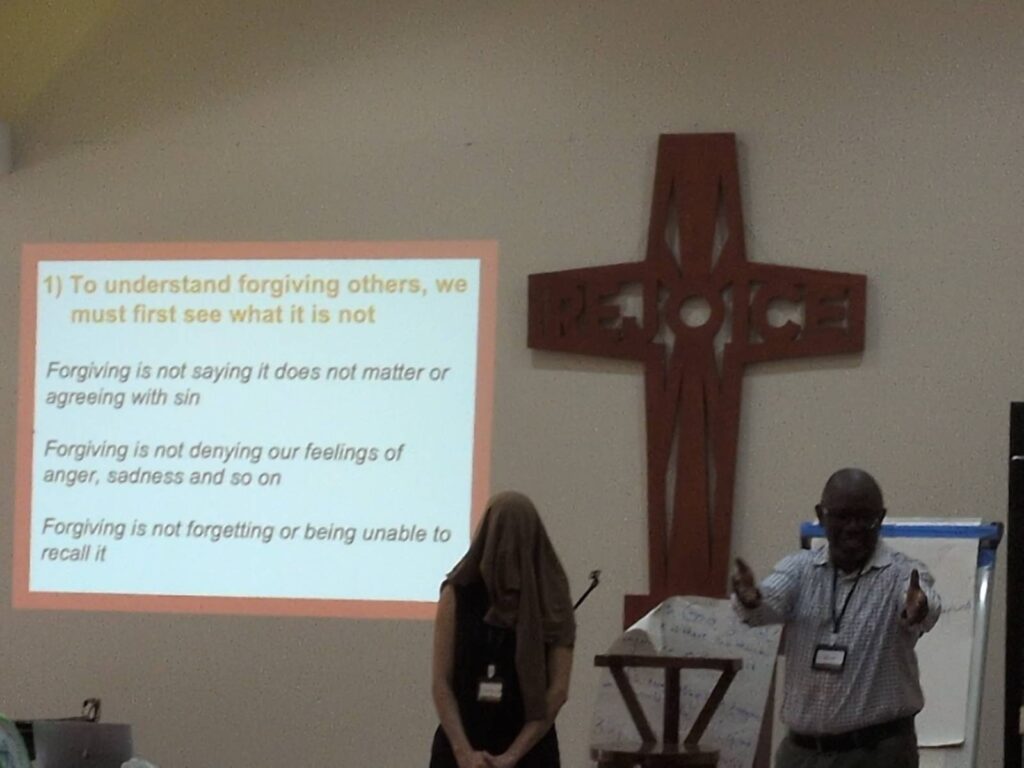 Facilitators shared personal stories of forgiveness and reconciliation drawn from contexts marked by profound suffering and political division. Their vulnerability set the tone for deeply moving sessions, creating a safe and sacred space where young leaders could reflect honestly on their own pain. Participants were invited to forgive those who had caused them harm, to repent where they had wounded others, and to release long-held bitterness. In a symbolic act, they wrote these burdens on paper and nailed them to a small cross—an embodied reminder that healing and freedom are possible.
Learning to Transform Conflict—Personally and Collectively
Building on this foundation of healing, the workshop turned toward developing practical conflict transformation skills at both personal and societal levels. Through interactive games and group activities, participants examined their own biases, explored how marginalization operates in everyday life, and reflected on the different ways people approach conflict.
Young leaders then worked together to identify specific issues they felt called to address through advocacy and peacemaking. They practiced uncovering root causes rather than reacting only to surface-level symptoms. Biblical narratives, including the story of Esther, offered powerful illustrations of courageous advocacy and strategic engagement with authority. Participants learned to recognize the varied roles of allies, neutrals, and opponents, and to adapt their strategies accordingly.
A negotiation simulation challenged participants to navigate mistrust, competing interests, and power imbalances. These exercises revealed just how difficult—and how essential—it is to pursue win-win outcomes, especially in divided societies. Many participants noted that this hands-on learning shifted how they understand conflict and their role within it.
Turning Vision into Action Through Advocacy Campaigns
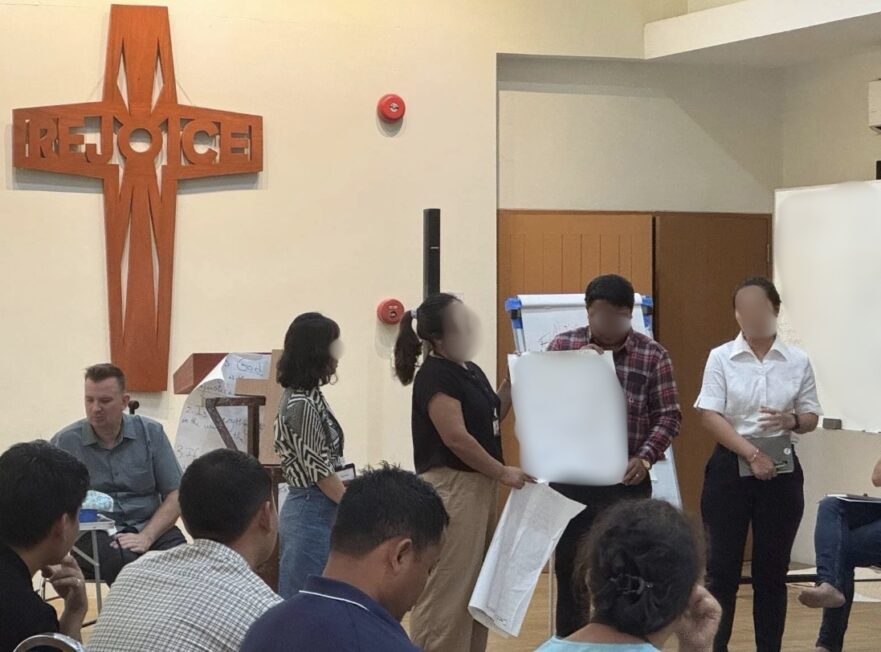
During the final days of the workshop, participants brought together everything they had learned to design peacemaking and advocacy campaigns. Working in regional groups, they developed campaign frameworks that included clear problem statements, objectives for change, and practical strategies for moving forward. These plans were then tested through a series of dynamic simulation stations facilitated by the training team.
Participants practiced holding mock advocacy meetings, engaging church leaders, creating social media content, organizing public events, and negotiating humanitarian access in high-risk scenarios. These simulations allowed young leaders to refine their ideas, gain confidence, and receive constructive feedback in a supportive environment.
The resulting campaign concepts reflected both creativity and courage. Ideas included fostering unity through relationship-building events, advocating for religious freedom, promoting transparency and fairness in public systems, expanding access to education in conflict-affected areas, empowering young voters to resist corruption, and strengthening opportunities for youth leadership. While the specific contexts varied, each initiative shared a commitment to dignity, justice, and peace.
Encouragement for the Road Ahead
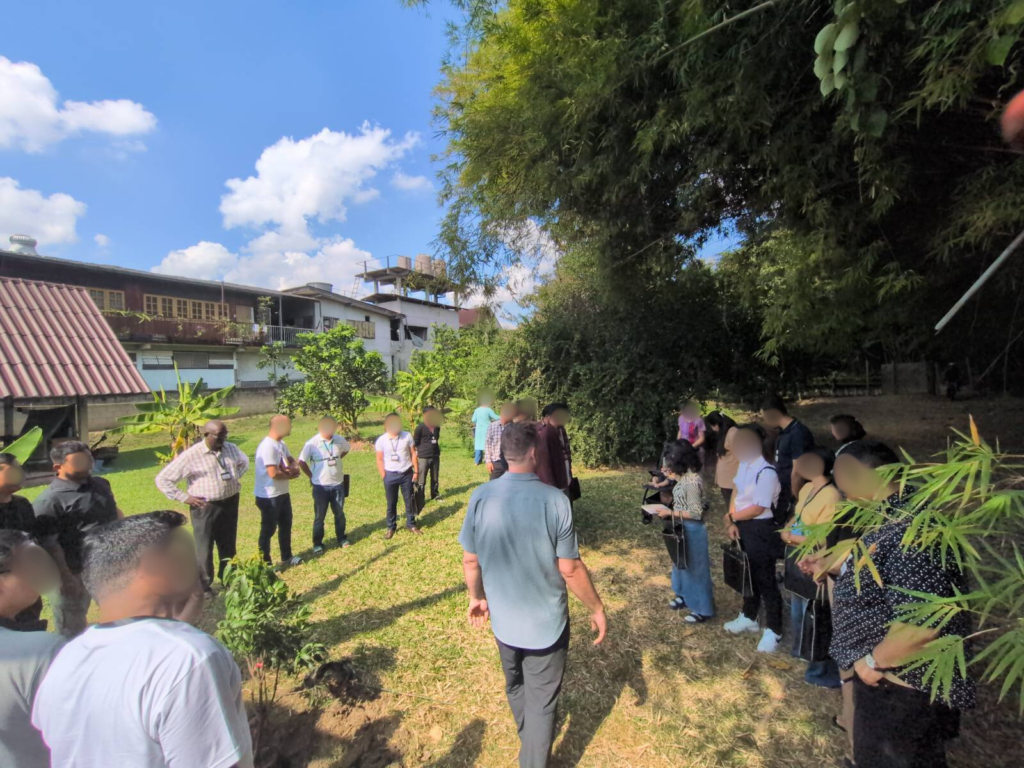 At the conclusion of the workshop, participants reflected on their experience through written evaluations and shared conversations. Many expressed that the training deepened their understanding of Christ-centered peacebuilding and strengthened their confidence to act. Hearing stories from peers facing different—but equally challenging—contexts reminded them that they are not alone.
One participant shared, “My commitment to peacebuilding has been ignited. I want to use my ministry to talk about real peace that comes from God and to build a peace-loving church and community.” Another reflected, “I have so many ideas to apply in our community, especially in peace education. Continued partnership and mentoring would help us take the next steps.”
Facilitators observed meaningful shifts over the course of the week. Young leaders became more open to collaboration across lines of difference and less constrained by past divisions. Relationships formed during the workshop pointed toward new possibilities for cross-community ministry and sustained peacemaking efforts.
What’s Next
The journey does not end here. Next steps include post-training mentoring, closer coordination with church leadership to develop measurable peace action plans, and continued investment in grassroots peace leaders—especially women and youth. With encouragement, training, and shared faith, these young leaders are prepared to be part of the solution, carrying hope into places where peace is deeply needed.
Photo credits: 21Wilberforce